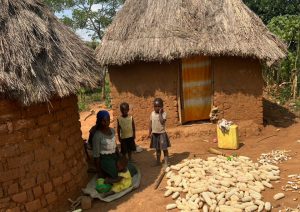

Sponsoring children in Uganda is not just an act of charity; it’s a transformative experience that creates lasting change in the lives of vulnerable children and their communities. In this article, we’ll explore the profound impact of child sponsorship programs in Uganda and how individuals and organizations can make a difference through their support.
Understanding the Need: Uganda, like many developing countries, faces significant challenges in providing adequate education, healthcare, and social support for its children. Poverty, disease, and lack of access to basic services disproportionately affect children, leaving many without the opportunity to fulfill their potential. Child sponsorship programs aim to address these disparities by providing essential resources and support to children in need.
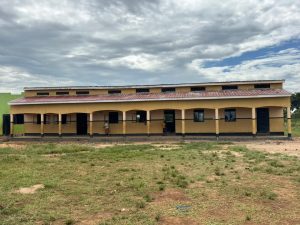
Empowering Education: Education is a powerful tool for breaking the cycle of poverty and empowering children to build a brighter future. Through child sponsorship, children in Uganda gain access to quality education, including school fees, uniforms, books, and supplies. By investing in education, sponsors give children the opportunity to develop essential skills, pursue their passions, and escape the cycle of poverty.
Ensuring Healthcare Access: Access to healthcare is essential for children’s well-being and development. Child sponsorship programs in Uganda often provide healthcare services such as vaccinations, medical check-ups, and treatment for common illnesses. By addressing health needs early on, sponsors help children stay healthy, thrive academically, and reach their full potential.
Fostering Nutritional Support: Malnutrition remains a significant concern for many children in Uganda, affecting their growth, development, and overall health. Child sponsorship programs often include nutritional support such as meals, vitamins, and nutritional education to ensure that children receive the essential nutrients they need to thrive. By addressing nutritional needs, sponsors help children stay healthy and focus on their studies.
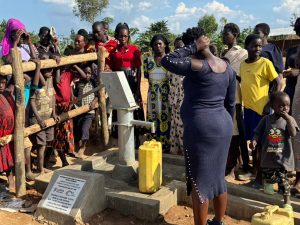
Building Strong Communities: Child sponsorship programs not only benefit individual children but also contribute to the development of strong, resilient communities. By investing in children’s education, healthcare, and well-being, sponsors help create a foundation for community development and economic empowerment. As children grow up educated and healthy, they become agents of positive change within their communities, breaking the cycle of poverty for future generations.
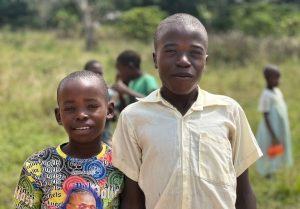
The Power of Personal Connection: One of the most meaningful aspects of child sponsorship is the personal connection between sponsors and children. Through letters, photos, and updates, sponsors have the opportunity to build relationships with the children they support, offering encouragement, guidance, and friendship. These connections transcend borders and cultures, fostering empathy, understanding, and global solidarity.
How to Get Involved: Individuals and organizations interested in sponsoring children in Uganda can partner with reputable NGOs and charities that specialize in child sponsorship programs. These organizations provide a platform for sponsors to connect with children in need, facilitate financial contributions, and ensure that resources reach those who need them most. By becoming a sponsor, individuals can make a tangible difference in the lives of children in Uganda and contribute to a brighter, more equitable future for all.
Conclusion: Sponsoring children in Uganda is a powerful way to create positive change and make a lasting impact on individual lives and communities. By investing in education, healthcare, and well-being, sponsors give children the tools they need to thrive and reach their full potential. Through personal connections and global solidarity, we can work together to build a world where every child has the opportunity to succeed.